
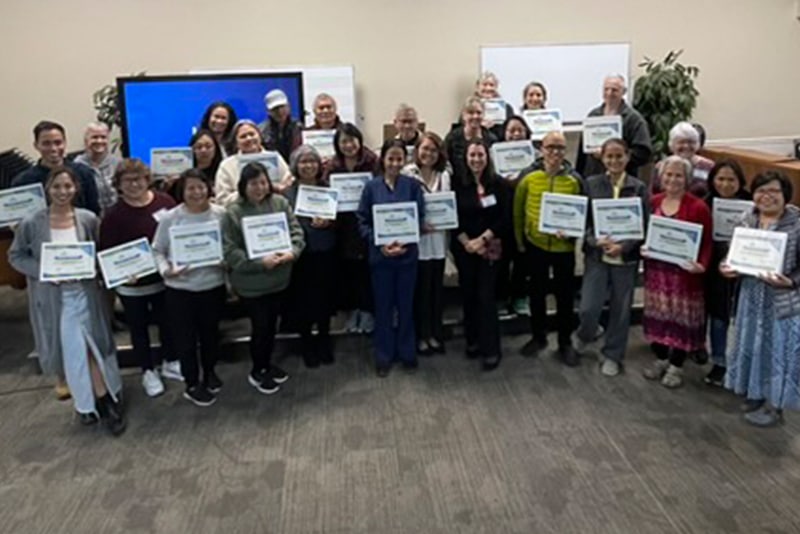
Get your Master's of Public Health Degree
while you continue to work!
Loma Linda will offer an MPH program in "Lifestyle Medicine" at Collonge Sous Saleve, France. Please visit the site http://bit.ly/europe-mph to learn all about the program!
Visit Available Resources for new booklets on Health by Sharon Platt-McDonald, Health Ministries Director of the British Union Conference of Seventh-day Adventists.
Haiti Disaster
All our hearts go out to the people of Port au Prince and Haiti, who are at this time in a state of shock in the aftermath of the horrendous earthquake that has flattened their city. It is impossible for individuals, acting alone, to know how to respond and our recommendation is that donations be made to ADRA International, marked "Haiti Relief". ADRA may be accessed directly through this link.
Your prayers would be much appreciated, as the various agencies equipped to deal with such emergencies attempt to bring relief.
Visit the News page for news from the World Health Organization and the General Conference Health Ministries Department!
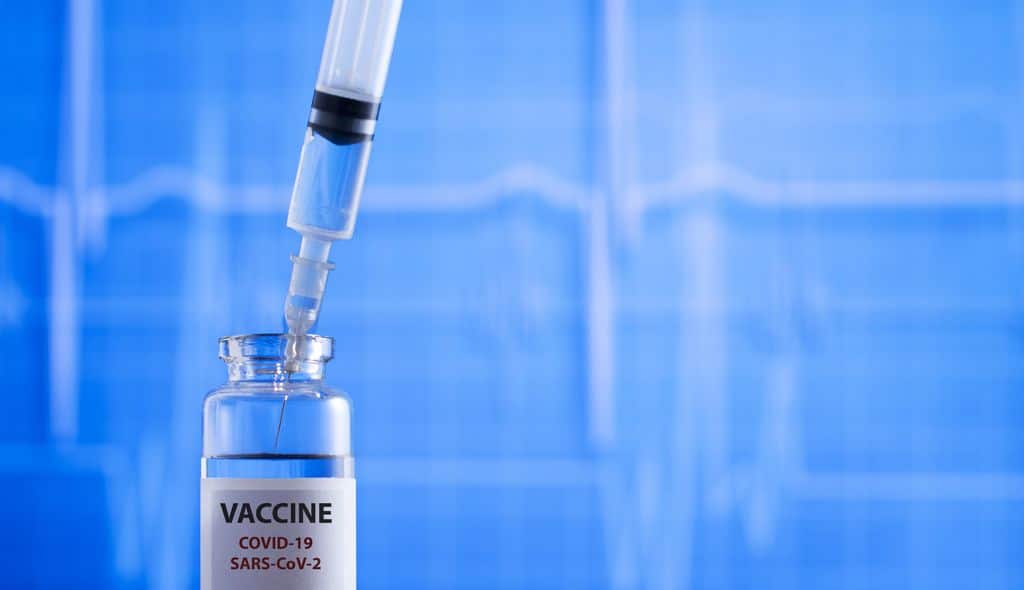
Click here for H1N1 (Swine) Flu updates. Update on H1N1 vaccine: Currently, it appears that the supply of vaccine may be somewhat erratic. The Centers for Disease Control has indicated that it will give an update each Friday on the current state of vaccine availability. We will attempt to keep our site current with these recommendations.
Red wine, like other alcoholic beverages, carries with its use the risk of problem drinking and alcoholism. However, studies over the past decade have concluded that red wine also has a health benefit.
Ever since airing a segment titled the “French Paradox” by the popular CBS news program 60 Minutes, red wine sales have increased, with drinkers persuaded by data which concluded that it was the French appetite for red wine that was responsible for a lower rate of heart disease.
Research has documented that it was not the alcohol in red wine that helped to prevent heart disease and other health problems, but researchers have agreed that the purported health giving ingredient was resveratrol.
Now, it appears that consumers can get this ingredient without the risk of consuming alcohol, as it is available in daily supplements, beverages and even a nutritional bar claimed by sellers to help you live longer and help prevent heart disease, cancer and other diseases.
Until recently, the evidence for resveratrol has come from animal study data, but preliminary human testing has yielded intriguing results.
Resveratrol is a substance found in grapes and other plants. Many of the supplements on the market extract it from the Japanese knotweed plant, which is a plentiful and inexpensive source. Switzerland’s Royal DSM NV sells a synthetic version called resVida, which is found in supplements, a non-alcoholic fruit-flavored beverage and the new Winetime chocolate-fruit bar.
Resveratrol has been found in animal studies to prevent or slow progression of illnesses from cancer to cardiovascular disease – and even to extend the life span of some organisms. Since 2008, at least five human studies have been presented at scientific meetings showing human benefits, ranging from improved blood flow to the heart to better control of diabetes.
The newest results are exciting, but some scientists say it is too early for the public to begin taking supplements, which contain as much resveratrol in one pill as dozens or hundreds of bottles of wine, depending on the dose. The proper dose for humans isn’t yet known – and more isn’t necessarily better.
Joseph C. Maroon, a neuroscientist at the University of Pittsburgh Medical Center who has written a book on resveratrol, agrees that more studies are needed but doesn’t think it’s unreasonable to take a moderate dose of resveratrol.
Dr. Maroon says animal data suggest 50 to 1,000 milligrams a day is an effective dose; he take 300 milligrams daily – which he says contains the same amount of resveratrol in some 150 bottles of wine.
No one knows exactly how resveratrol works, but scientists believe it activates a wide range of genes, creating a cascade-like effect on a variety of body functions.
According to a report in the Wall Street Journal, human data from recent studies of the effects of resveratrol found lowered blood glucose levels in diabetics using proprietary formulations as well as improved vision in older persons who had difficulty with night driving.
The visual measures were subjective, but researchers also found a significant decrease in lipofuscin, a granular substance that builds up in aging tissues and is linked to vision decline, says researcher Stuart Richer, chief of optometry at the Veterans Affairs Medical Center in North Chicago.
In addition, Dr. Maroon and colleagues reported that a three-month study found a resveratrol-containing supplement not yet on the market increased endurance on a stationary bicycle compared with a placebo, and also increased verbal memory scores on a standard test.
-From Monday Morning Report, Volume 34, Number 3, February 8, 2010 Reprinted with permission
Many of the presentations from the Conference on Health and Lifestyle held in Geneva, Switzerland, July 6 to 11, 2009 are posted there for your listening pleasure.